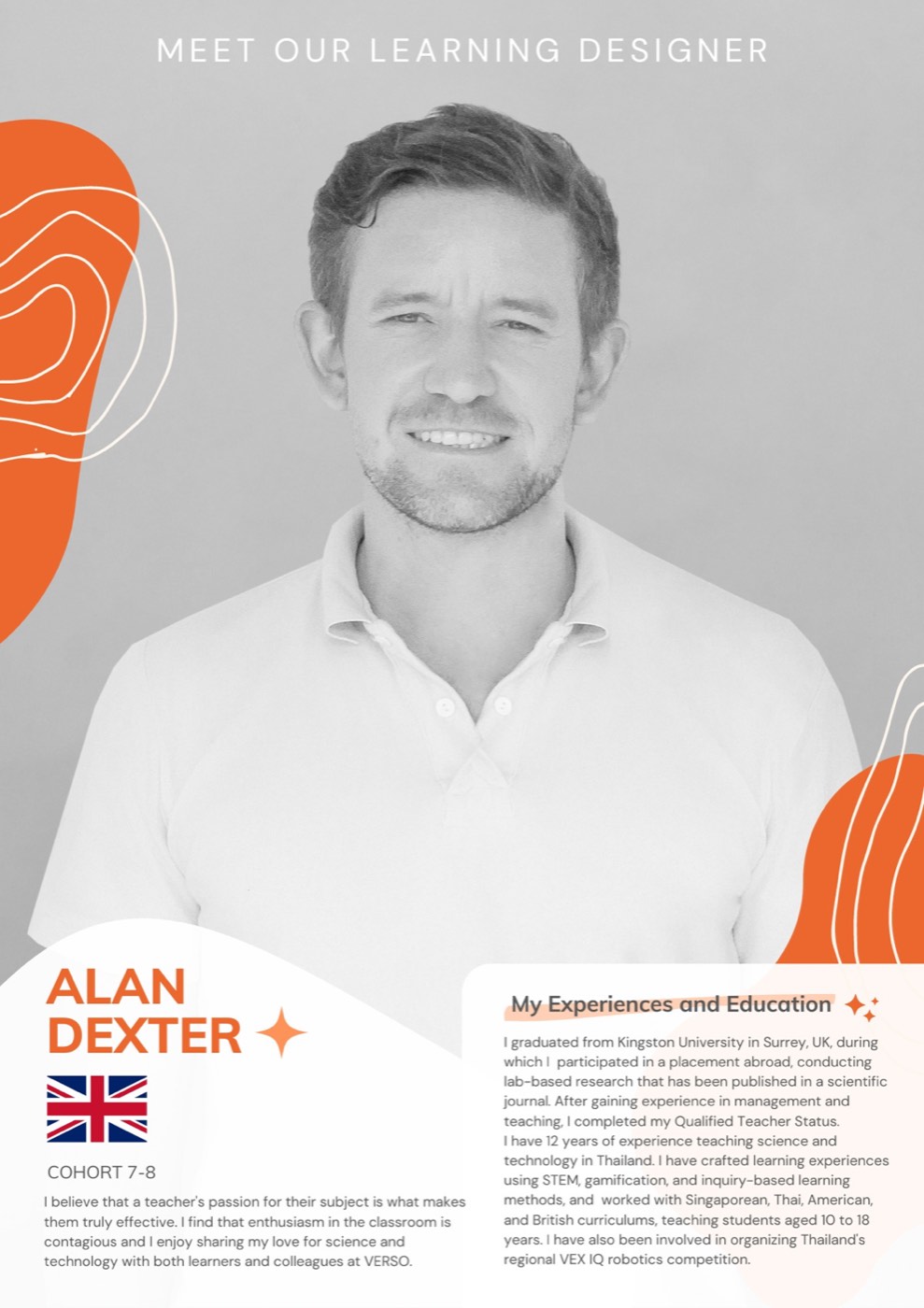
Physics, Science and Design & Technology specialist. I teach through real-world Project-Based Learning — and design the units, tools and assessments that make it work. QTS-qualified; systems thinker; maker with 3D printing & laser cutting; instrumental in the early years of VEX Robotics in Thailand.
Educator-designer, student-first.
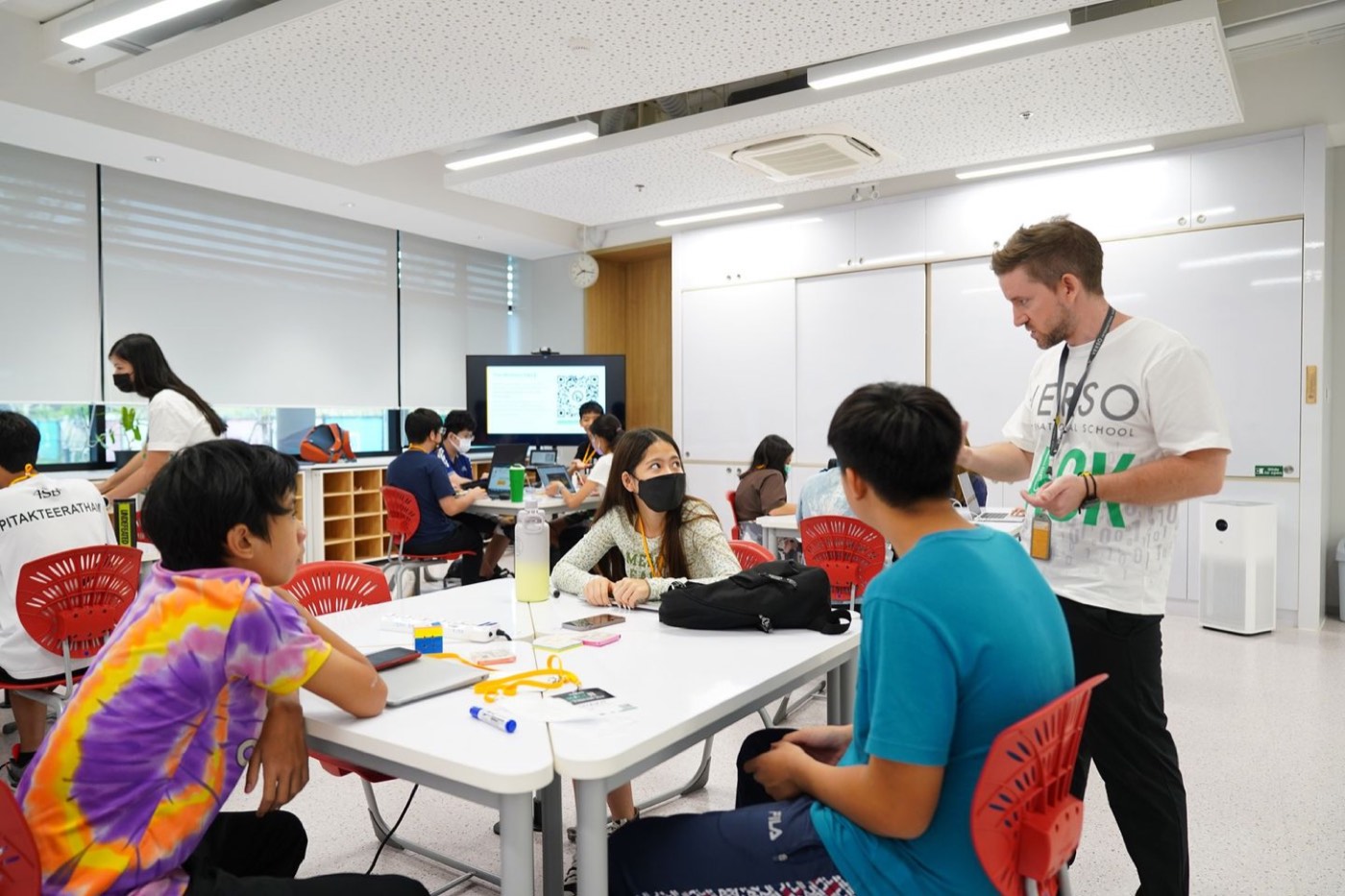
I build learning rather than just deliver it. Over ~13 years in international schools — Science teacher, Head of Science, and Learning Designer — my specialisms are Physics, Science and Design & Technology. I've also taught Mathematics, Business, Geography, Psychology and Performing Arts, and designed interdisciplinary, project-based units that anchor rigorous content in real problems.
I'm a systems thinker and a maker — comfortable in the workshop with 3D printing, laser cutting, CAD and electronics, and equally at home designing curriculum, tools and assessments. I hold QTS and a BSc (Hons) 2:1 in Environmental Science, am Agile Classrooms–certified, and specialise in STEM, robotics and AI-augmented learning design. I was instrumental in the early years of the VEX Robotics competition circuit in Thailand, and I build science & maths ed-tech — Sparkbench (hundreds of interactive simulations) and JustPrintAndGo (ready-to-use STEM/EAL/SEN teaching resources).
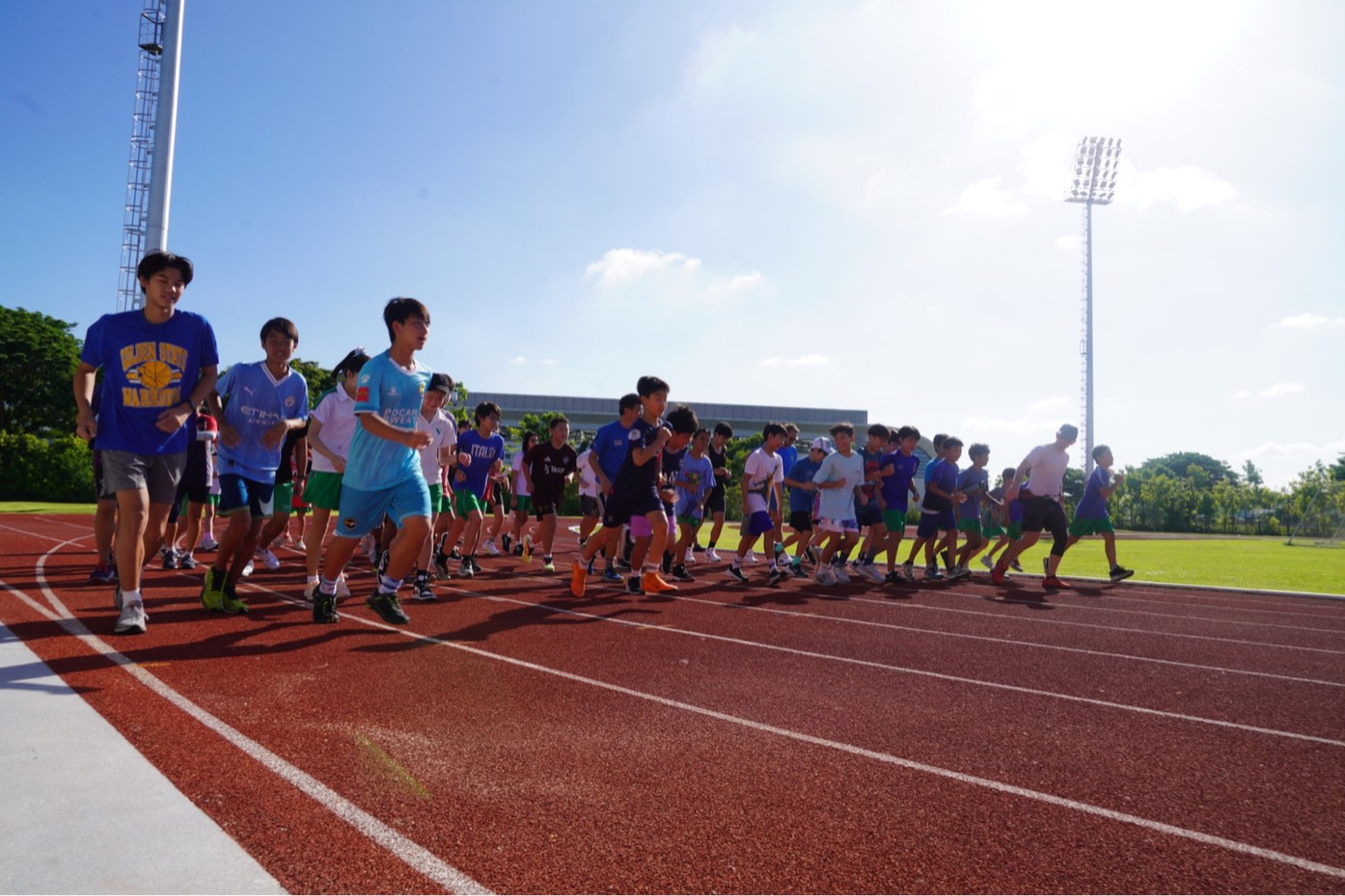
Beyond the classroom — marathon finisher, long-distance cyclist, advanced diver; learning to speak and read Thai. Bangkok-based for 14 years.
Top band across the Danielson Framework for Teaching, 2024–25 — "visionary contributor… leadership in data-informed assessment."
QTS · BSc (Hons) 2:1 Environmental Science · A-level Physics · Agile Classrooms (L1) · VEX (Coach/Judge/Head Referee/Event Partner) · Flint AI
— John Miller, Agile Classrooms
Specialist in Physics, Science and Design & Technology — with breadth across the curriculum and a systems-thinking, Learning-Design and PBL practice.
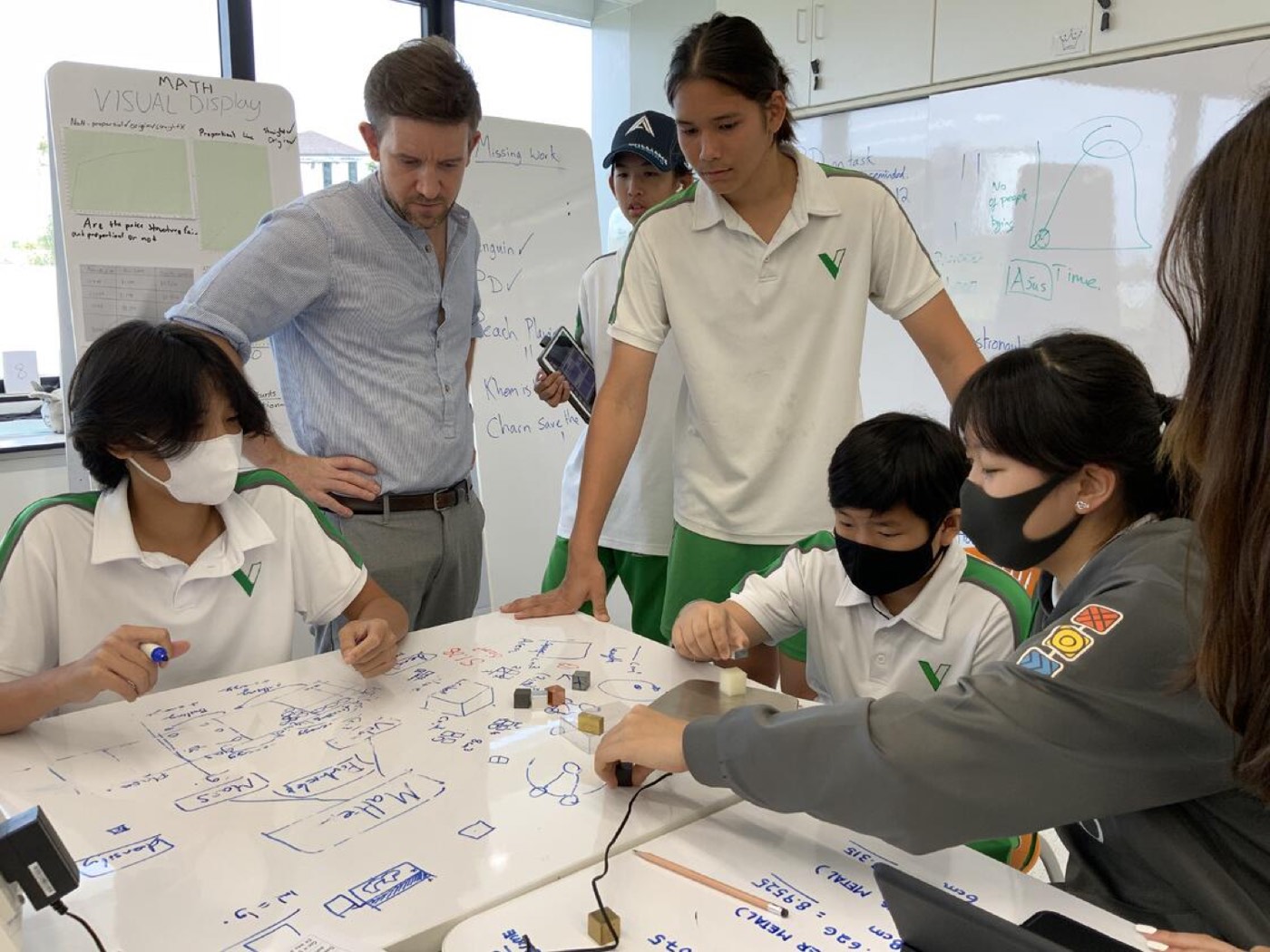
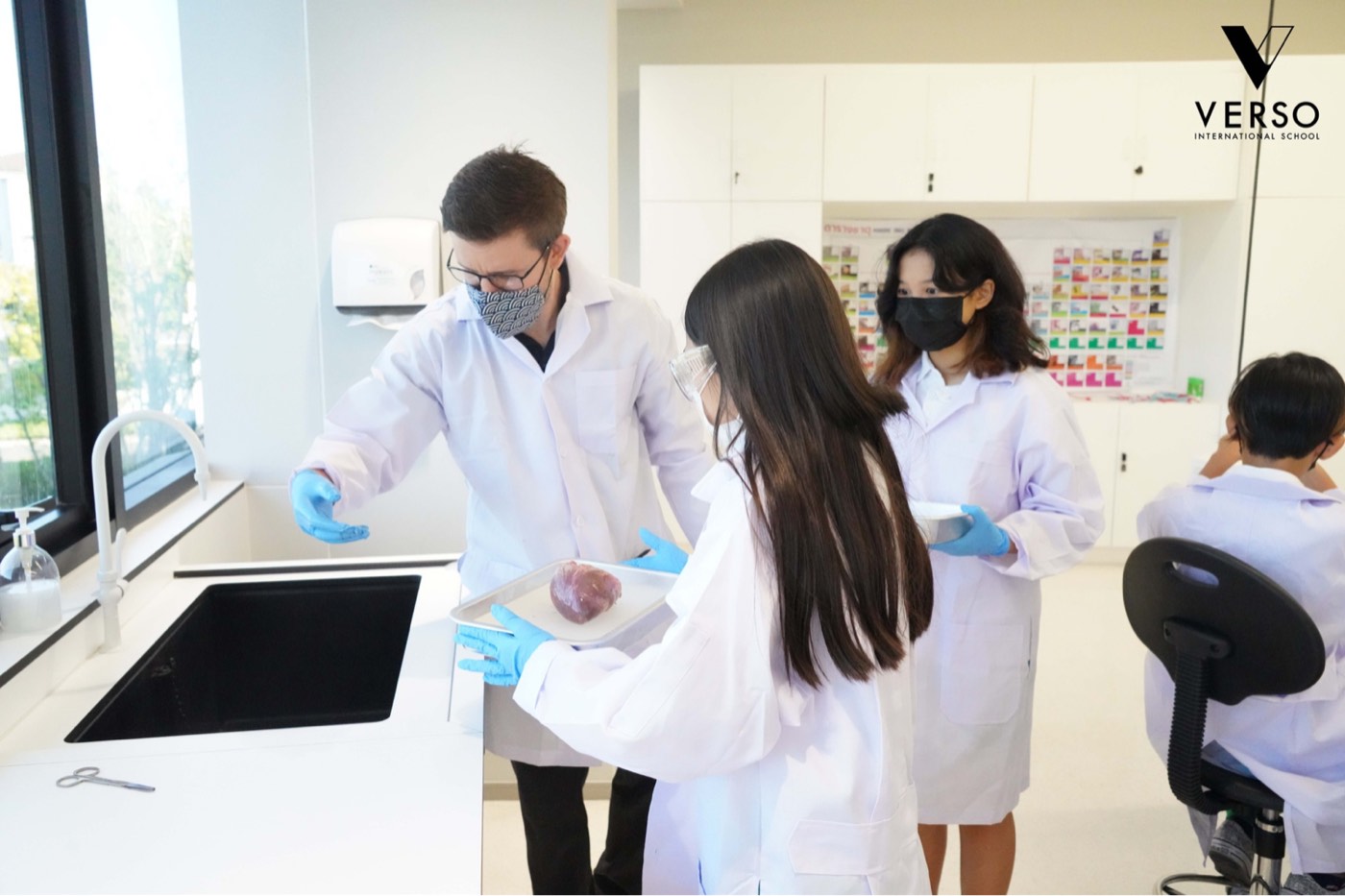
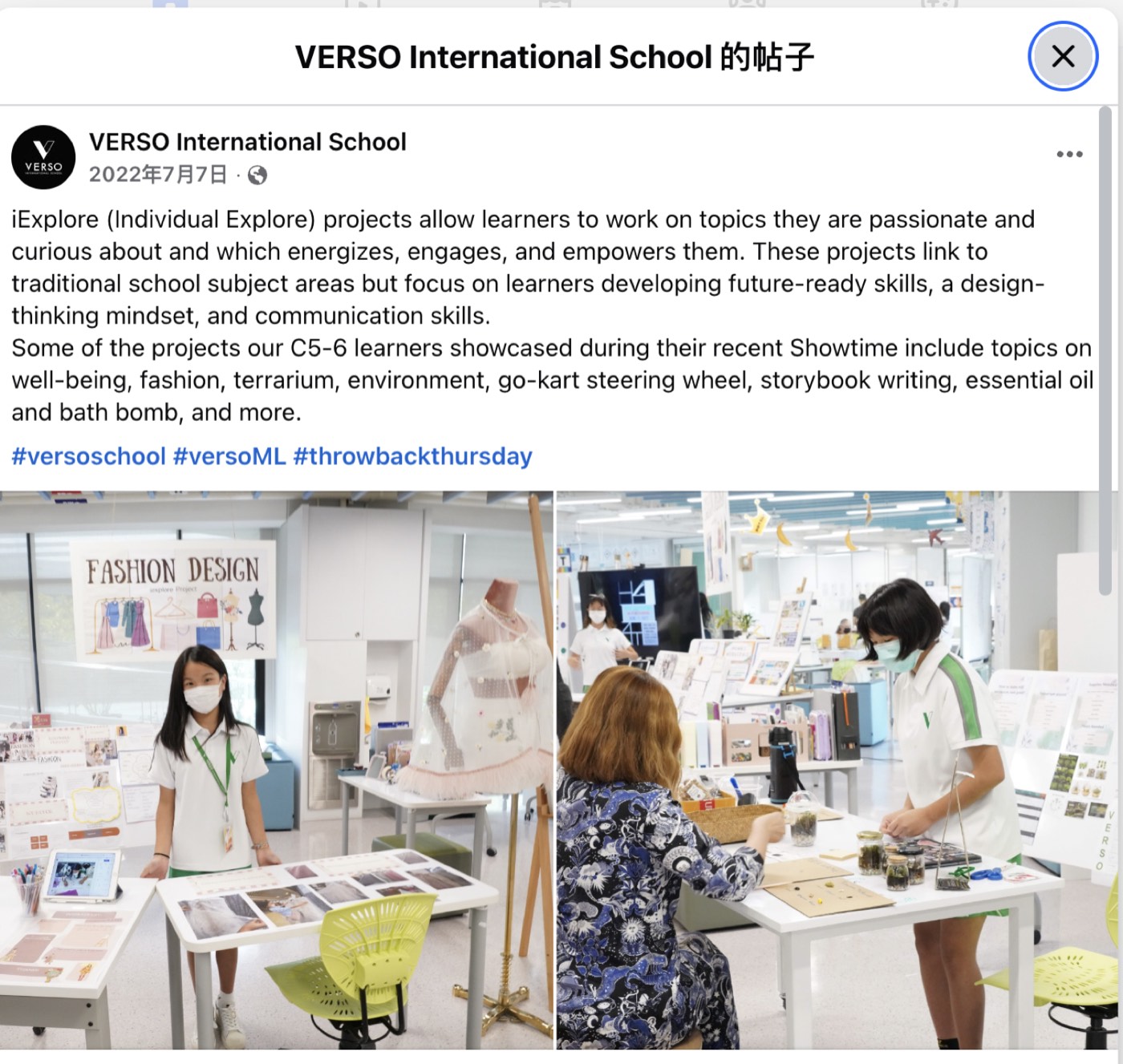
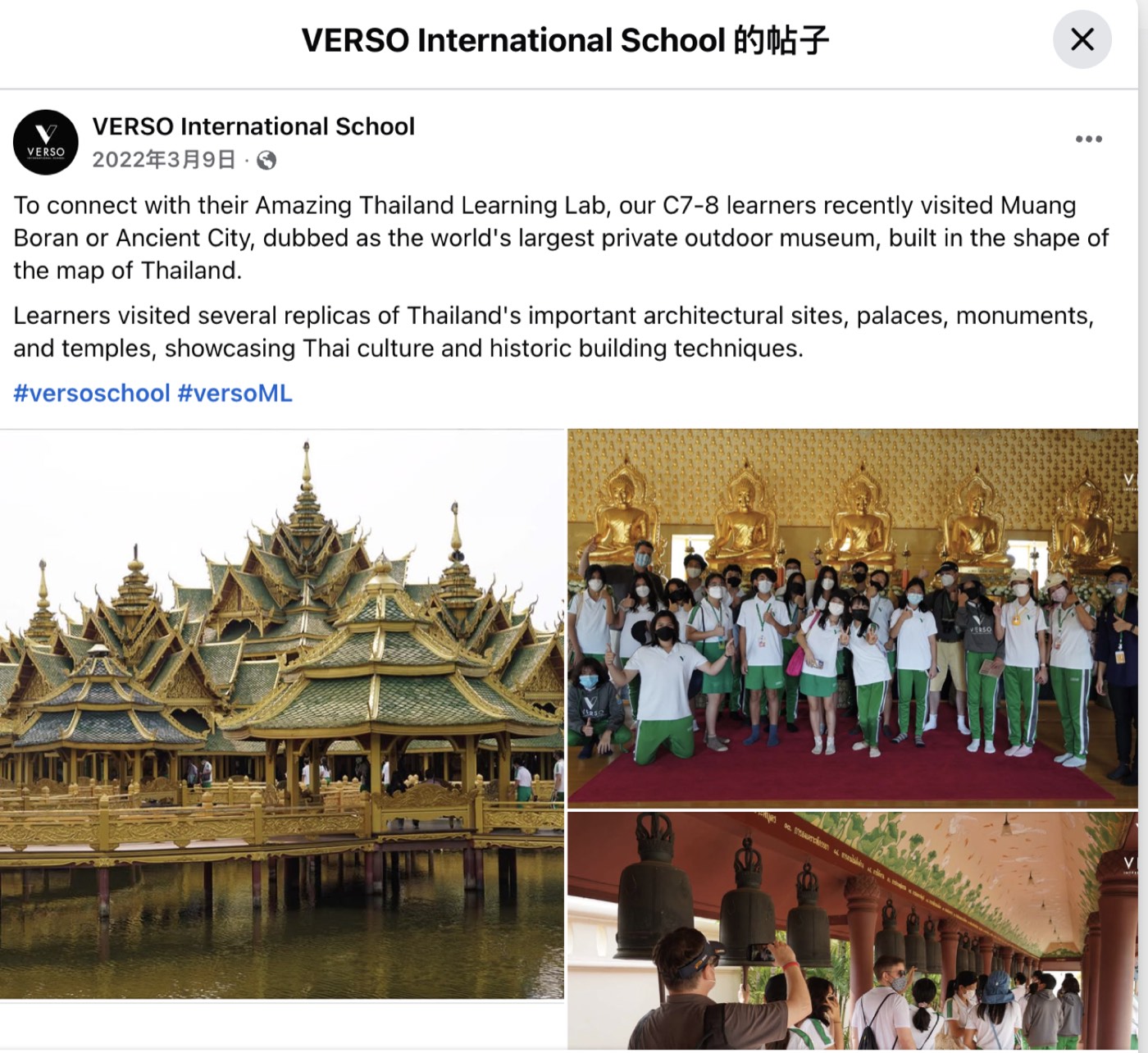
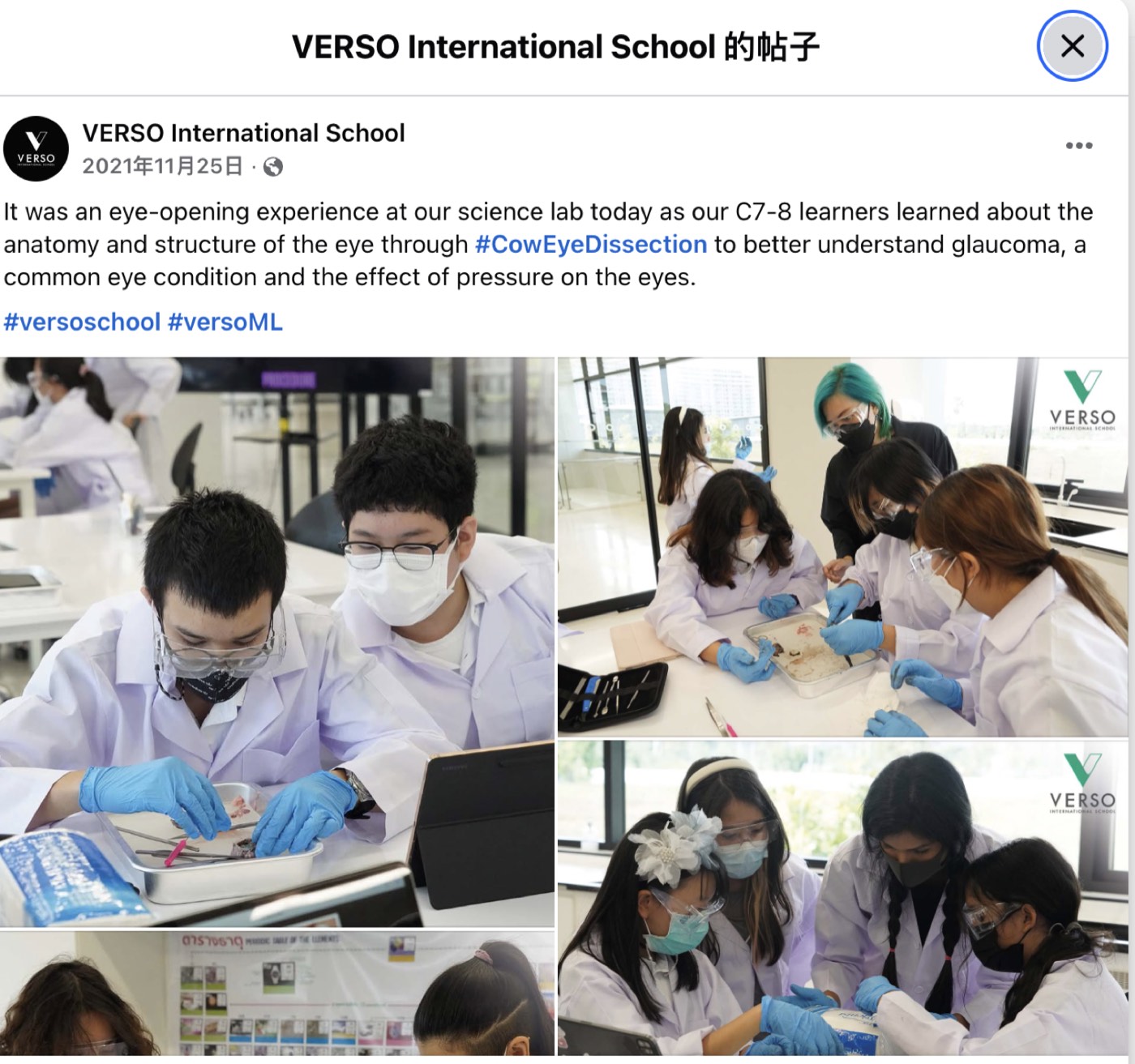
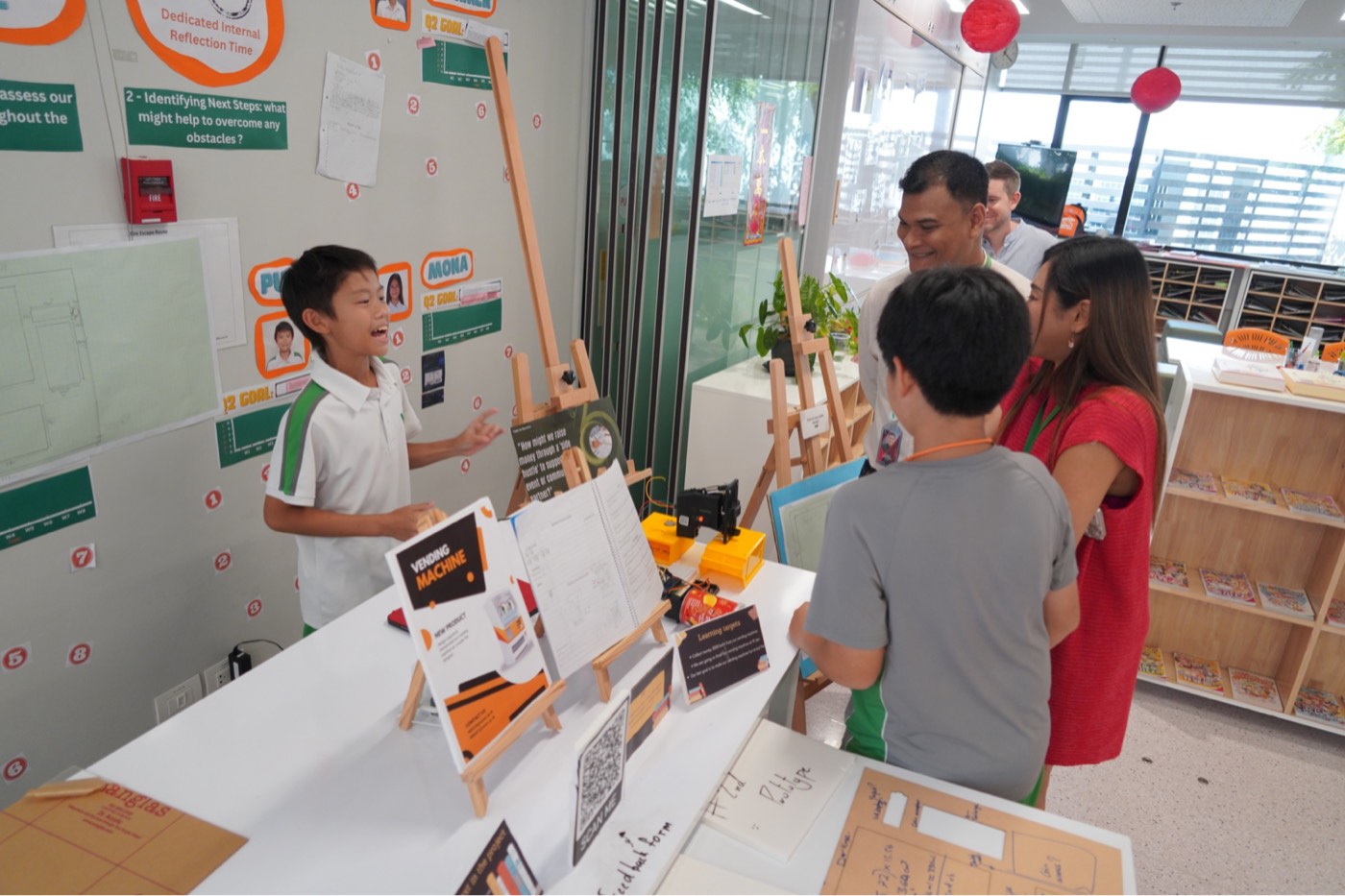
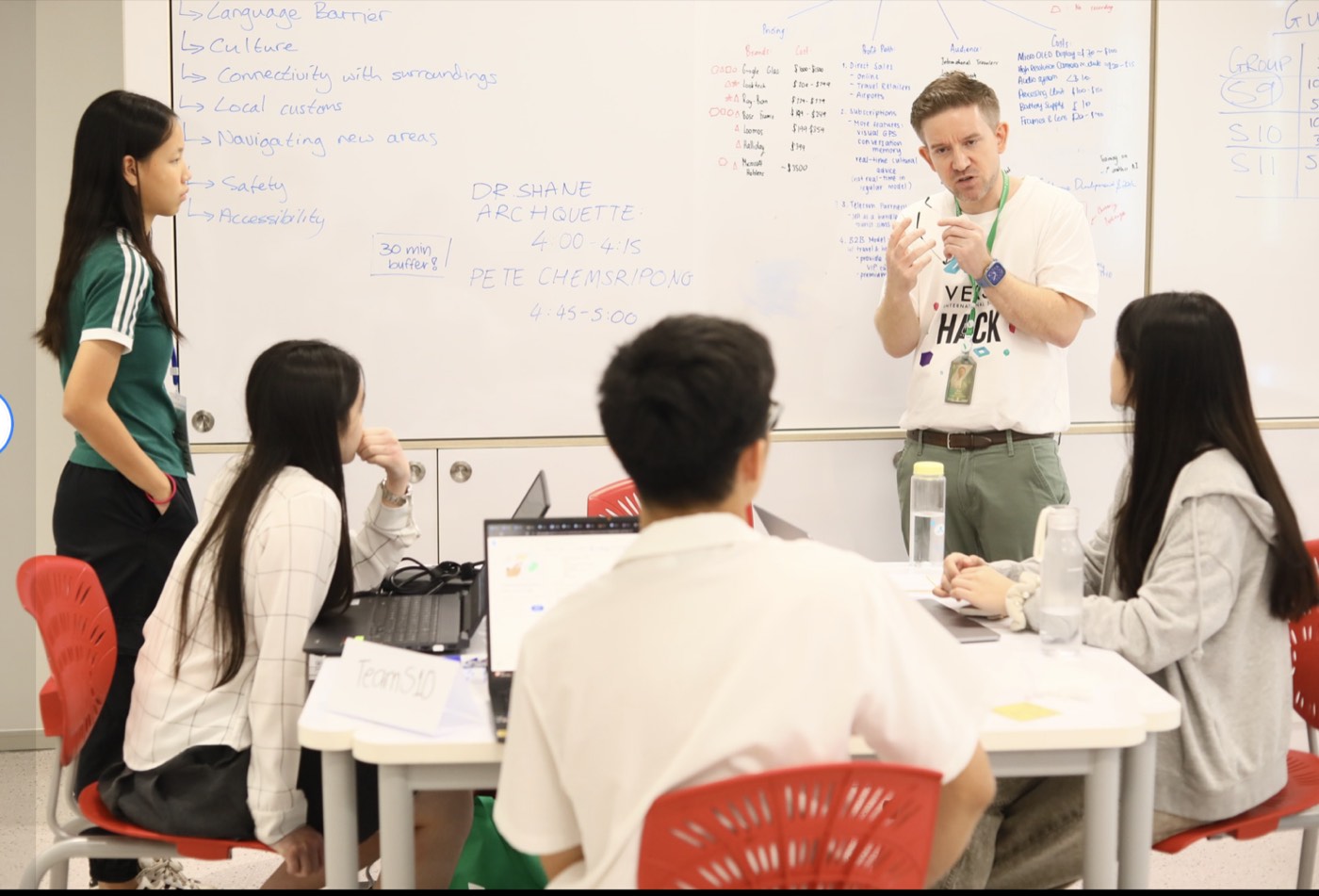
Project-Based Learning units I designed and led — across STEM, design and the humanities.

"How might we analyse and adapt our processes to exceed our previous limitations?"
Personal-health experiments with wearables; analysis in Excel/Python; TED-style talks. (Top-rated by students.)

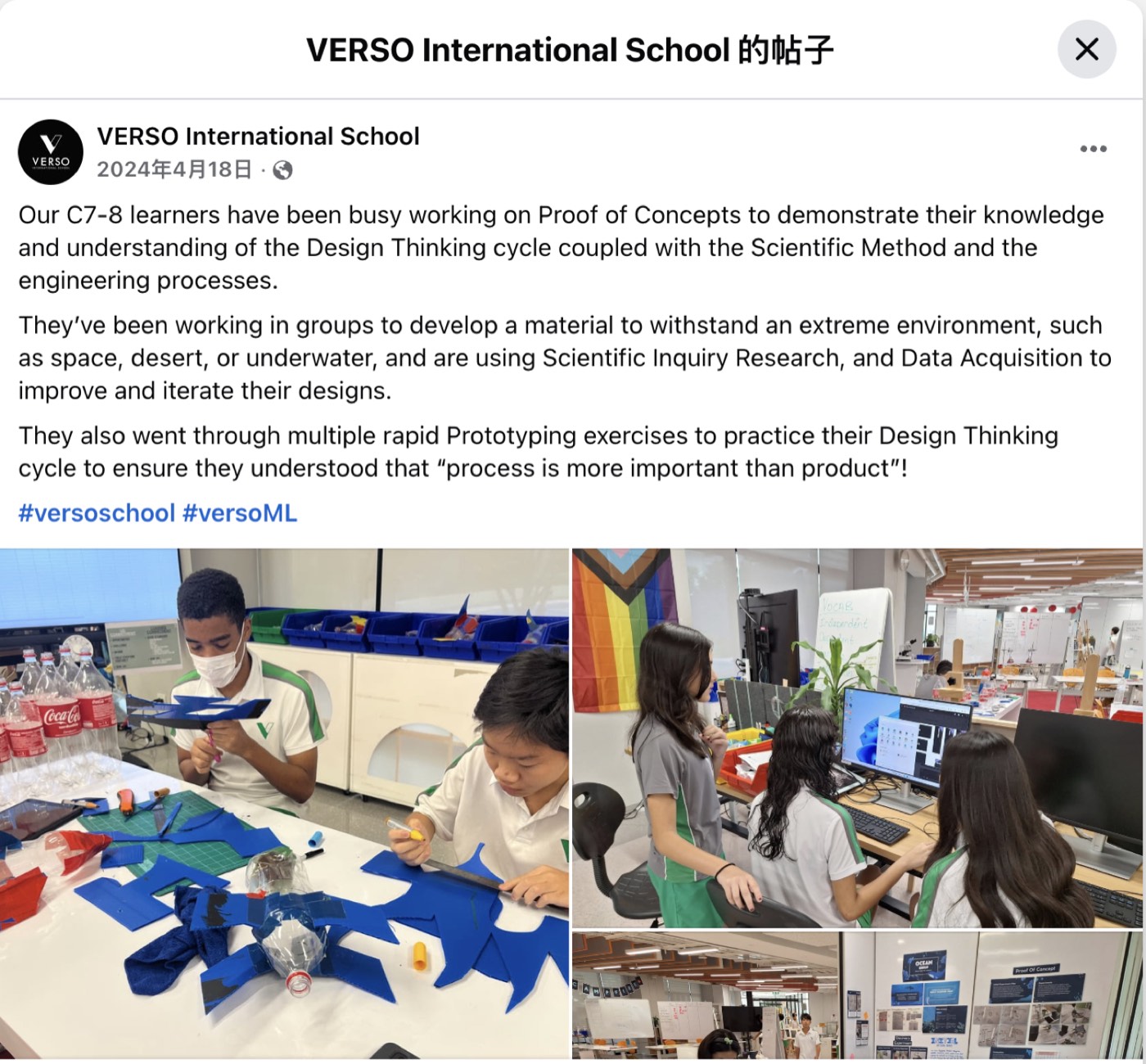
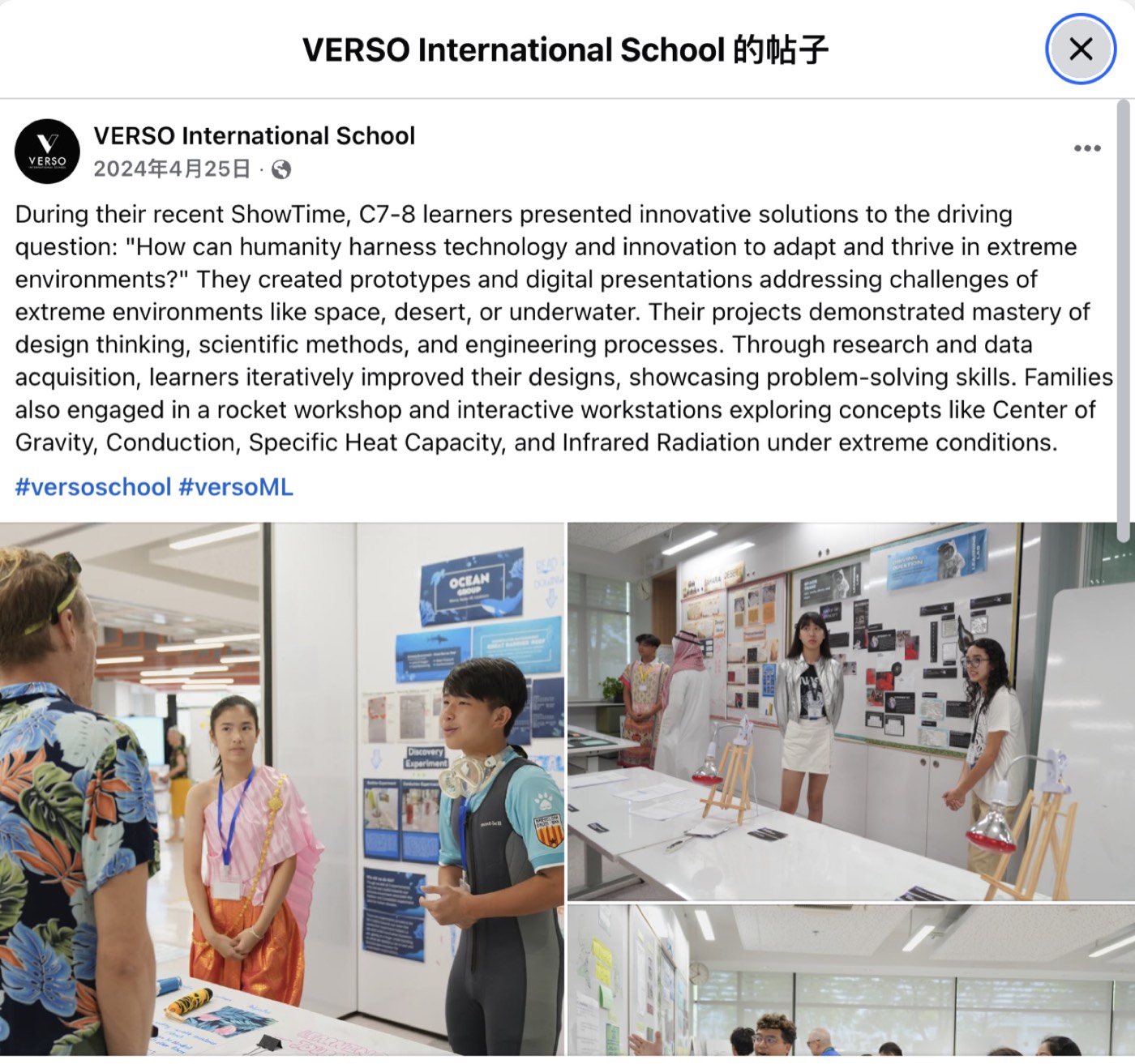
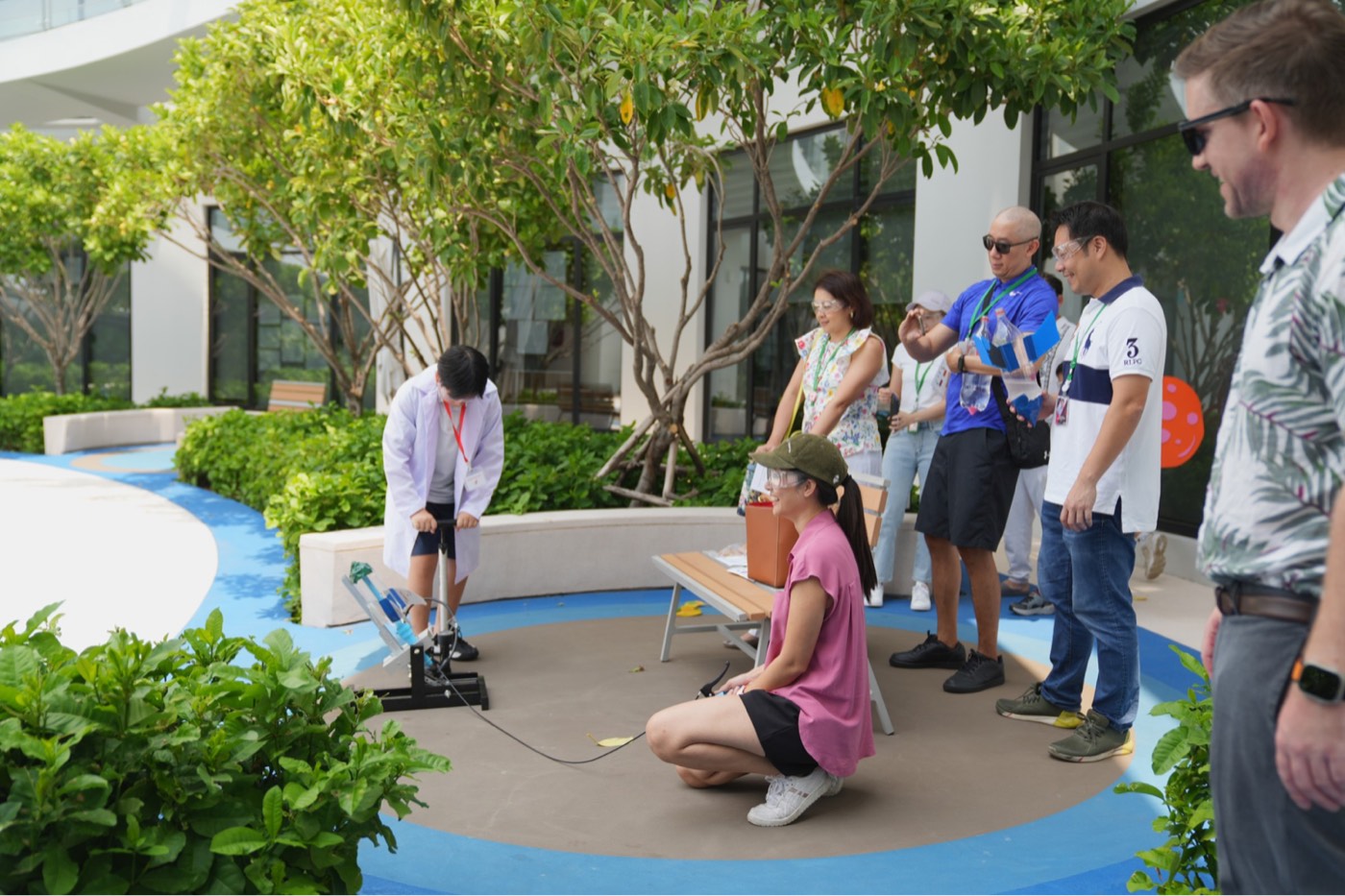
"How can humanity innovate to thrive in extreme environments?"
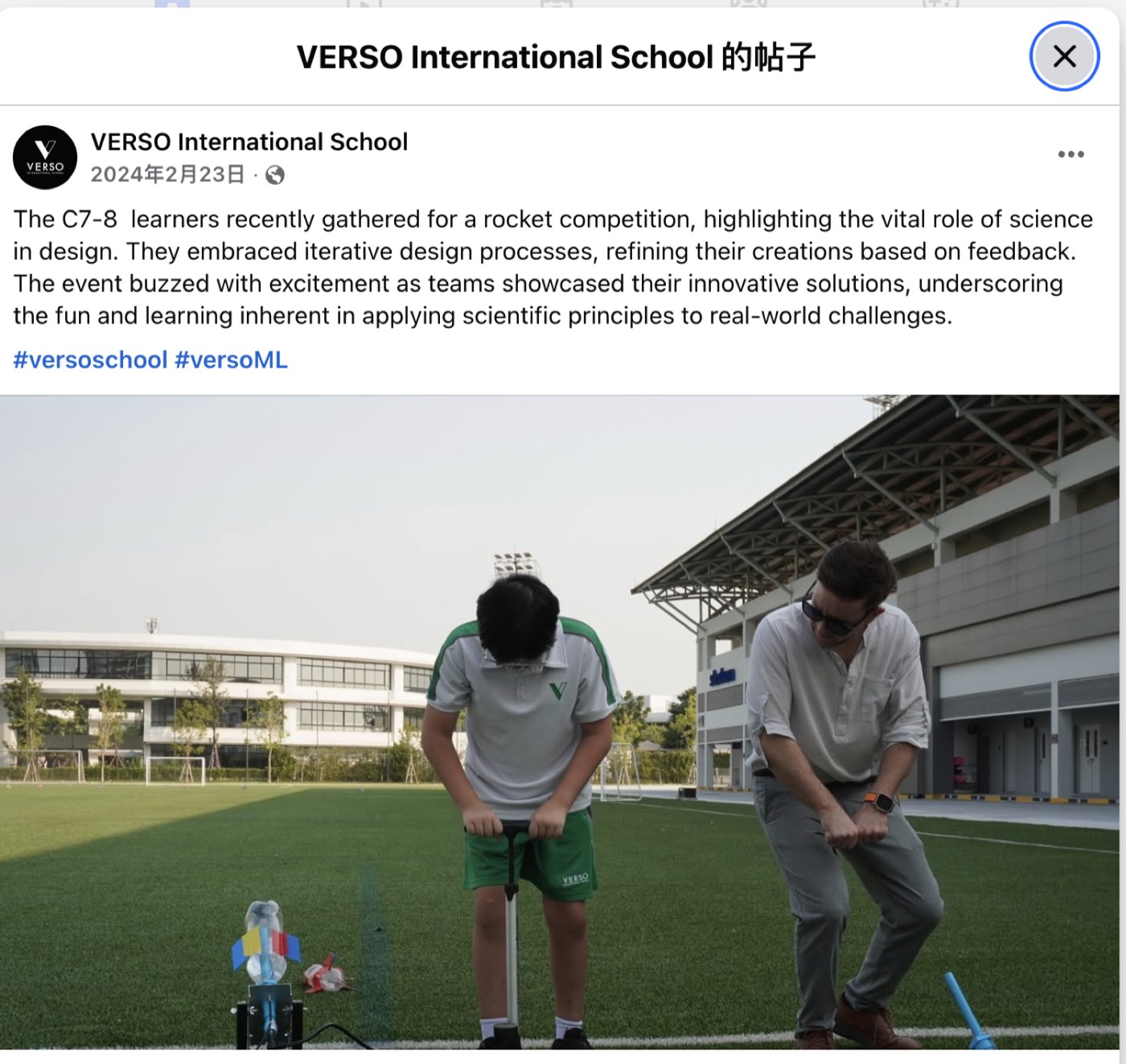
Water-rocket prototypes, life-support design, design-thinking workshops — physics in action.

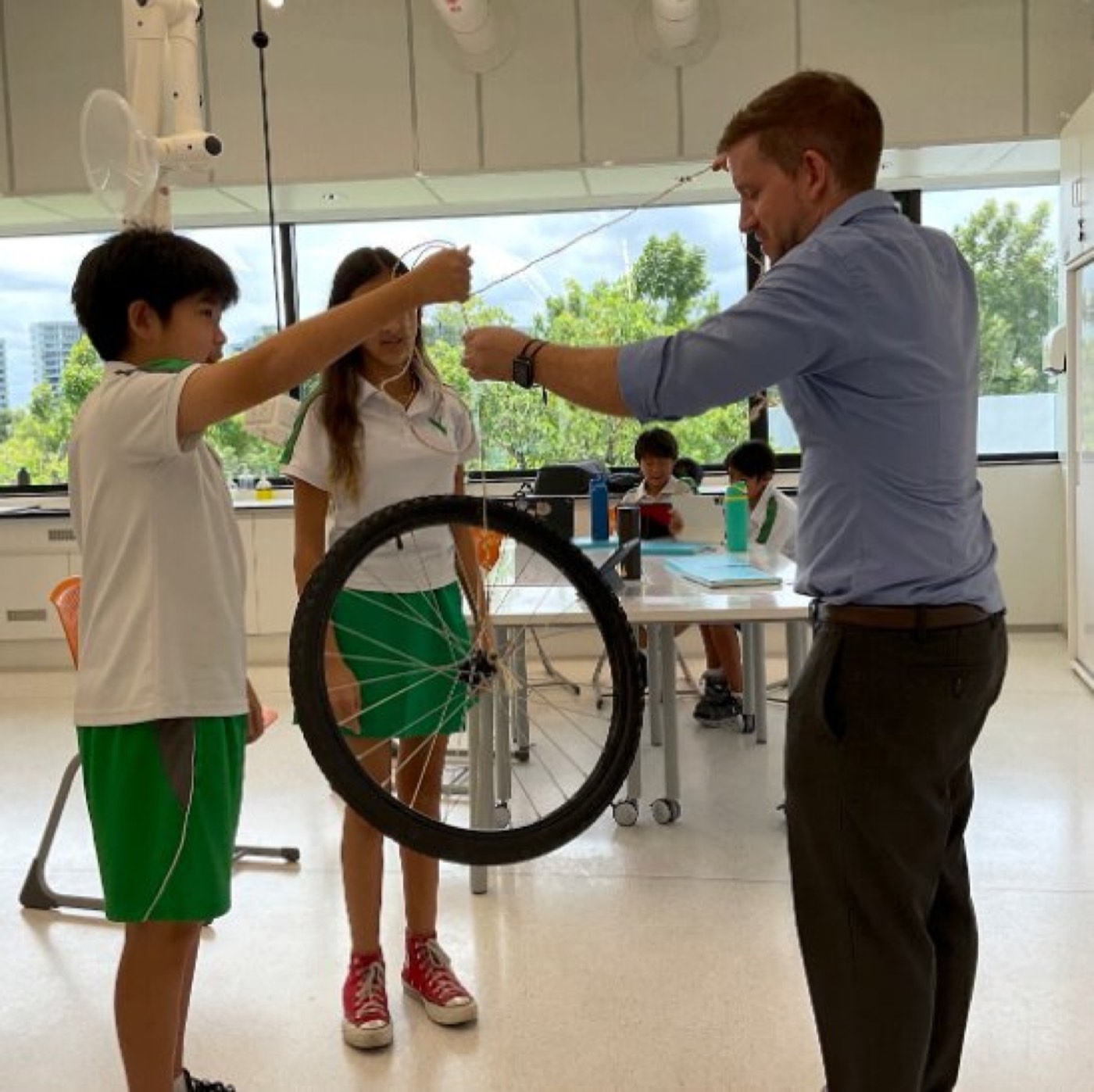
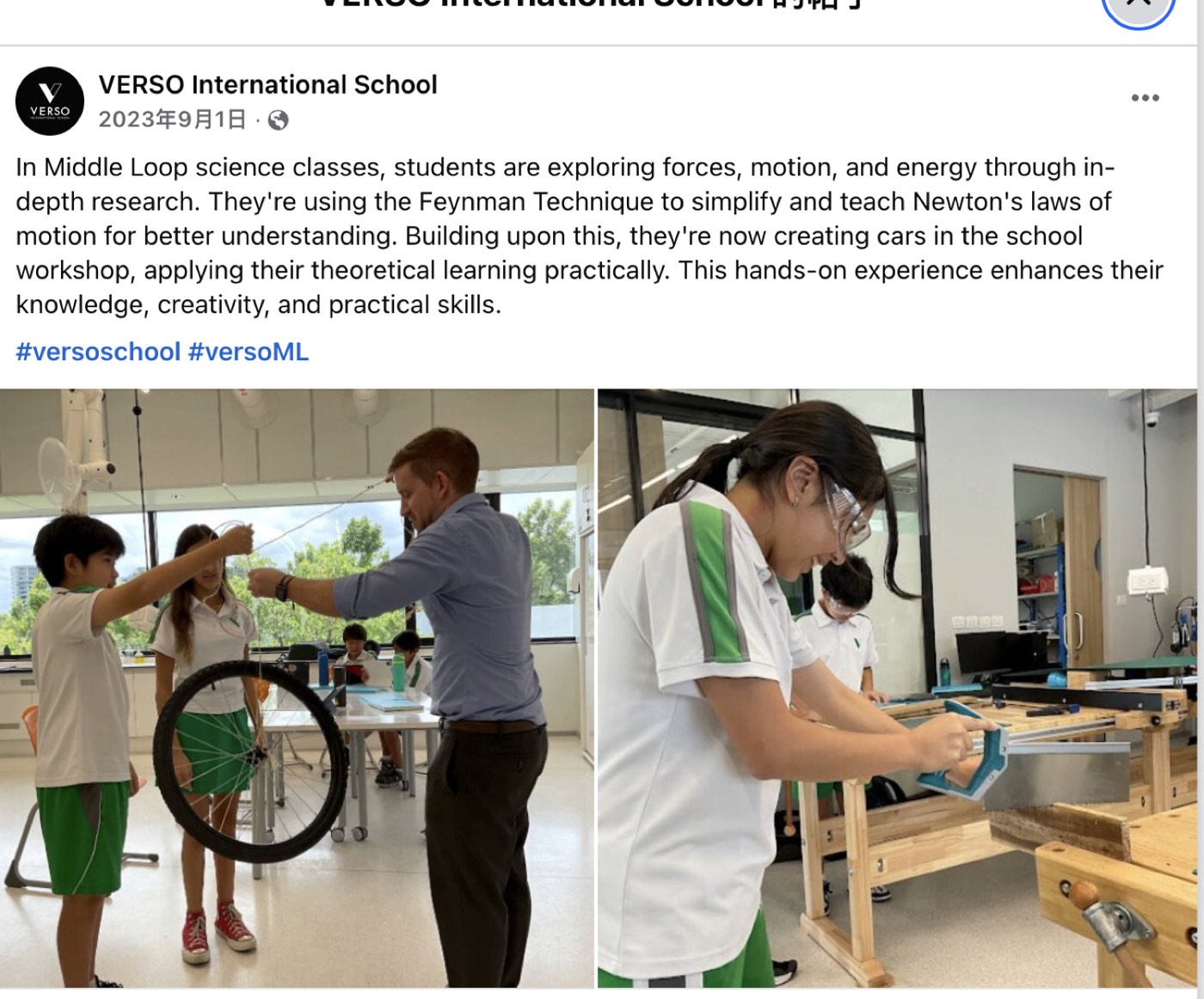
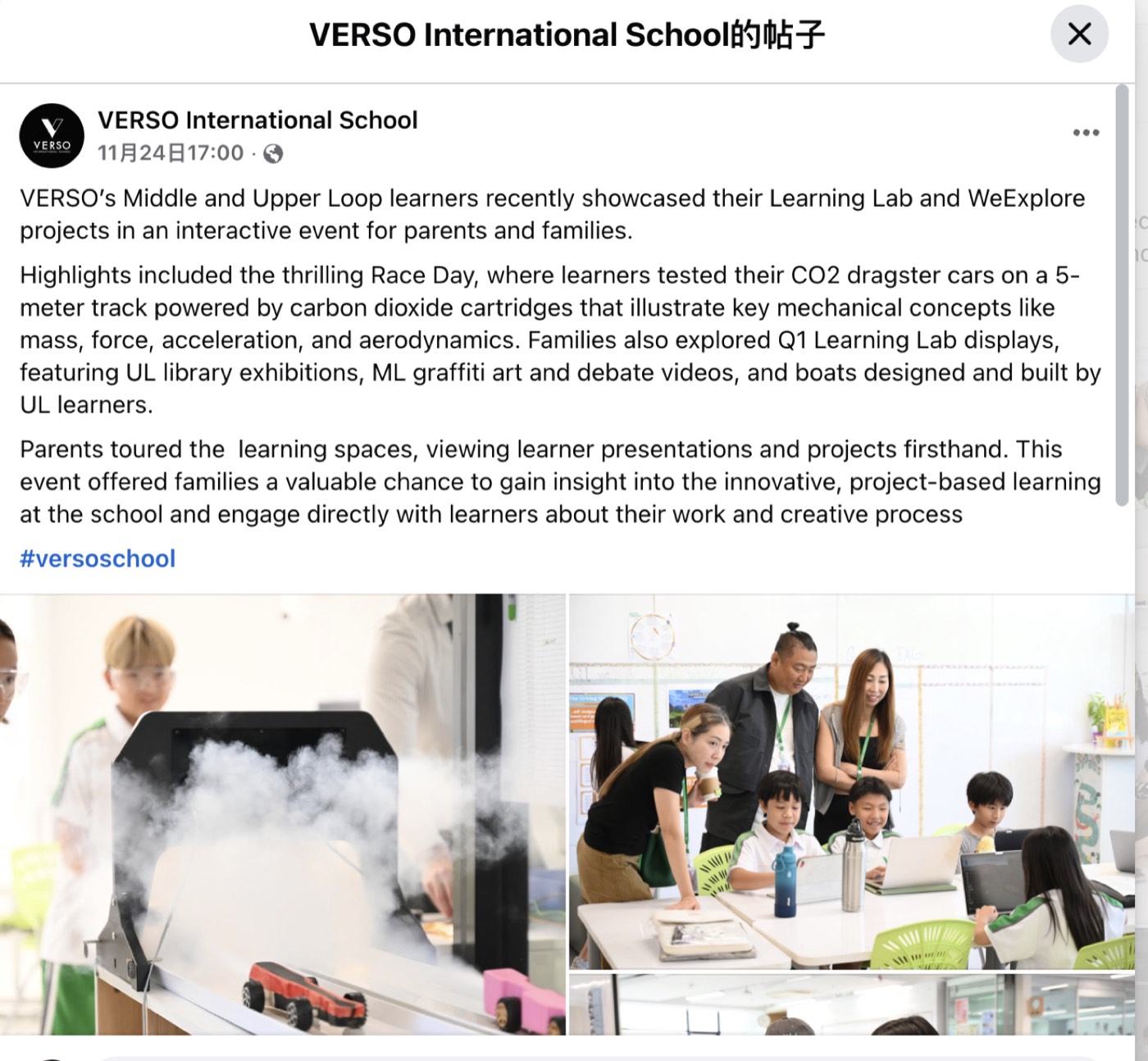
"How do forces and motion explain what we build?"
Hands-on investigation of Newton's laws through balloon-car design, measurement and graphing.

"How can technology support a sustainable permaculture area at school?"
CAD, sensors/robotics for soil & moisture, iterative prototyping, research journals.

"How do we design, build and iterate a competition robot?"
Engineering design cycle, programming and teamwork — feeding the national VEX circuit.

"How can a social enterprise help Thai communities adapt to flooding?"
GIS data, business plan & budget, investor-style pitch — Maths, Science & financial literacy.

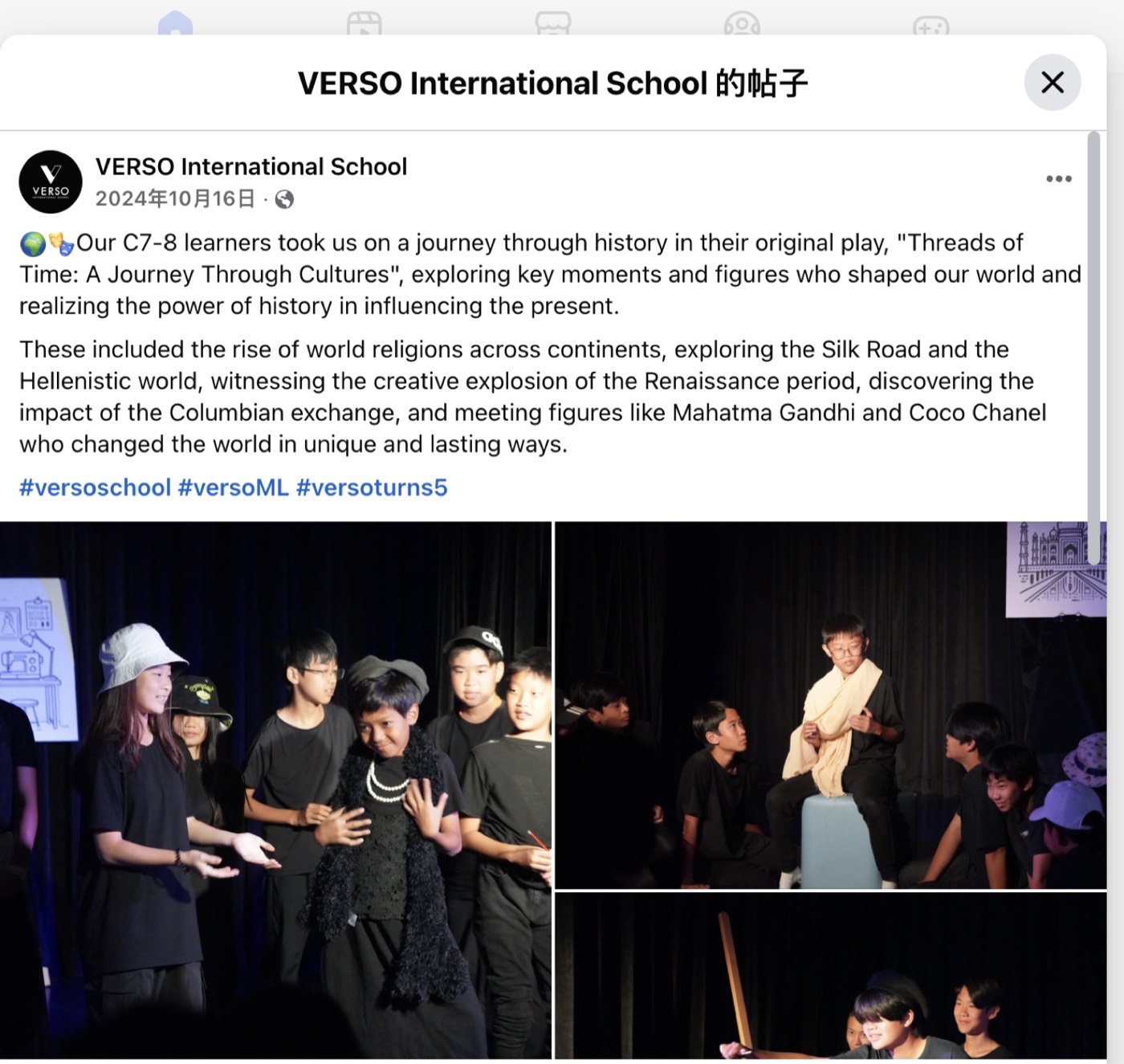
"How can performing arts help us understand how eras change?"
Research-driven performance pieces and a final showcase; identity and culture through the arts.

"How can understanding the brain help us cultivate a growth mindset?"
Brain science, research ethics, science-fair exhibits and reflective writing.

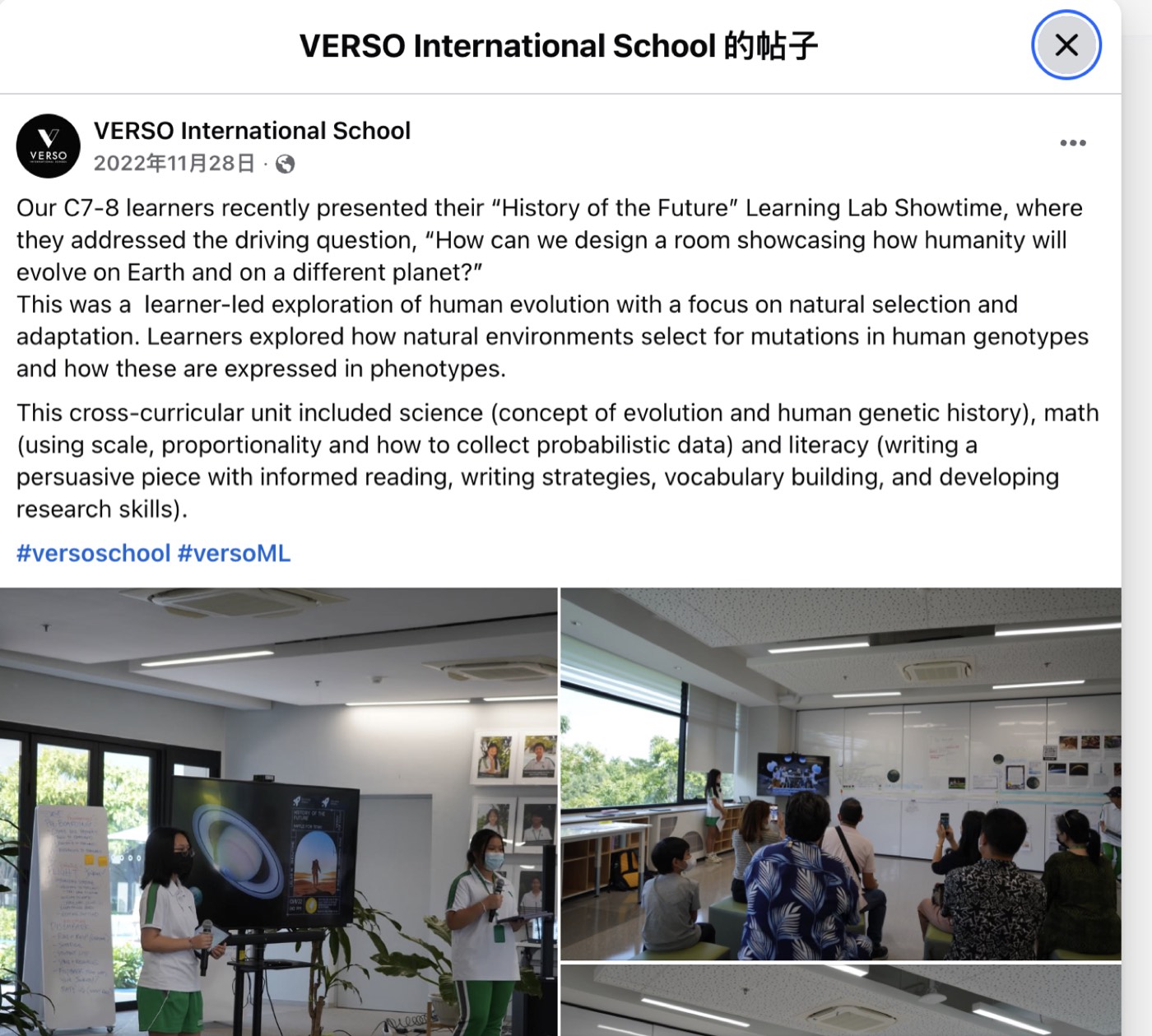
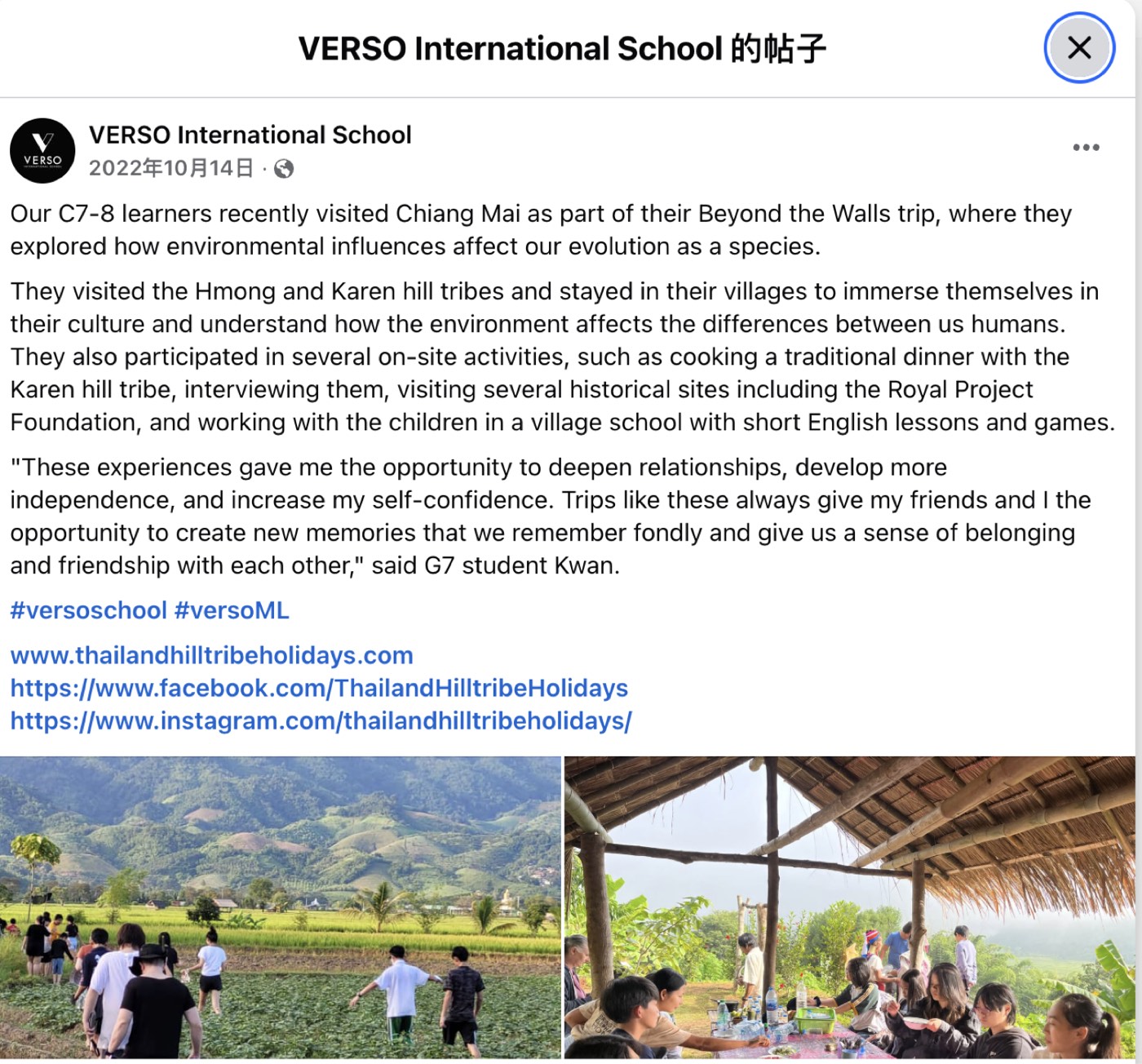
"How might colonising a new planet shape human evolution?"
Theoretical habitats and life-support systems; human adaptability and ecological impact.

"How do real businesses make decisions under constraint?"
Business-model design, budgeting and pitching — entrepreneurship in practice.

"How might we redesign personal transport for the city we want to live in?"
Students prototyped human-centred mobility concepts — sketching, CAD, materials and a public-pitch demo day. ▶ Watch the project film in the Media section below.

"What does it mean to think like an engineer at age 11?"
A scaffolded curriculum strand that takes younger students through the full engineering design cycle — observe → define → build → test → iterate. ▶ Watch the project film in the Media section below.

"How can school learning serve communities beyond the gates?"
A multi-year partnership with TCDF connecting student STEM & literacy projects to children outside mainstream education. Watch the documentary in the Media section below.

"Whose voices matter, and who gets to tell the story?"
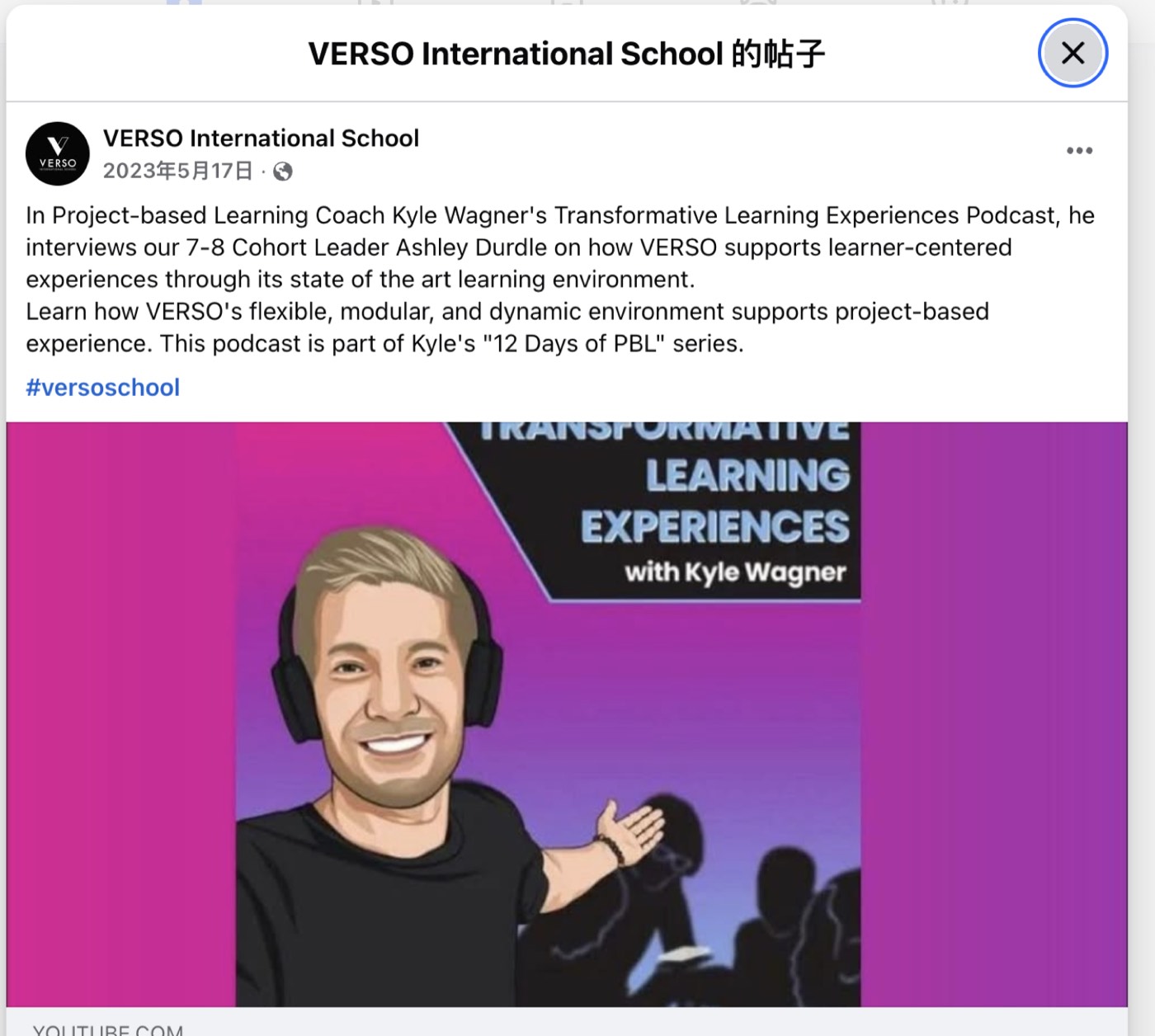
Students researched, scripted, recorded and edited their own podcast on issues that mattered to them — media literacy through doing. Listen in the Media section.
Early-years builder · Coach · Judge · Head Referee · Event Partner · 2018–present
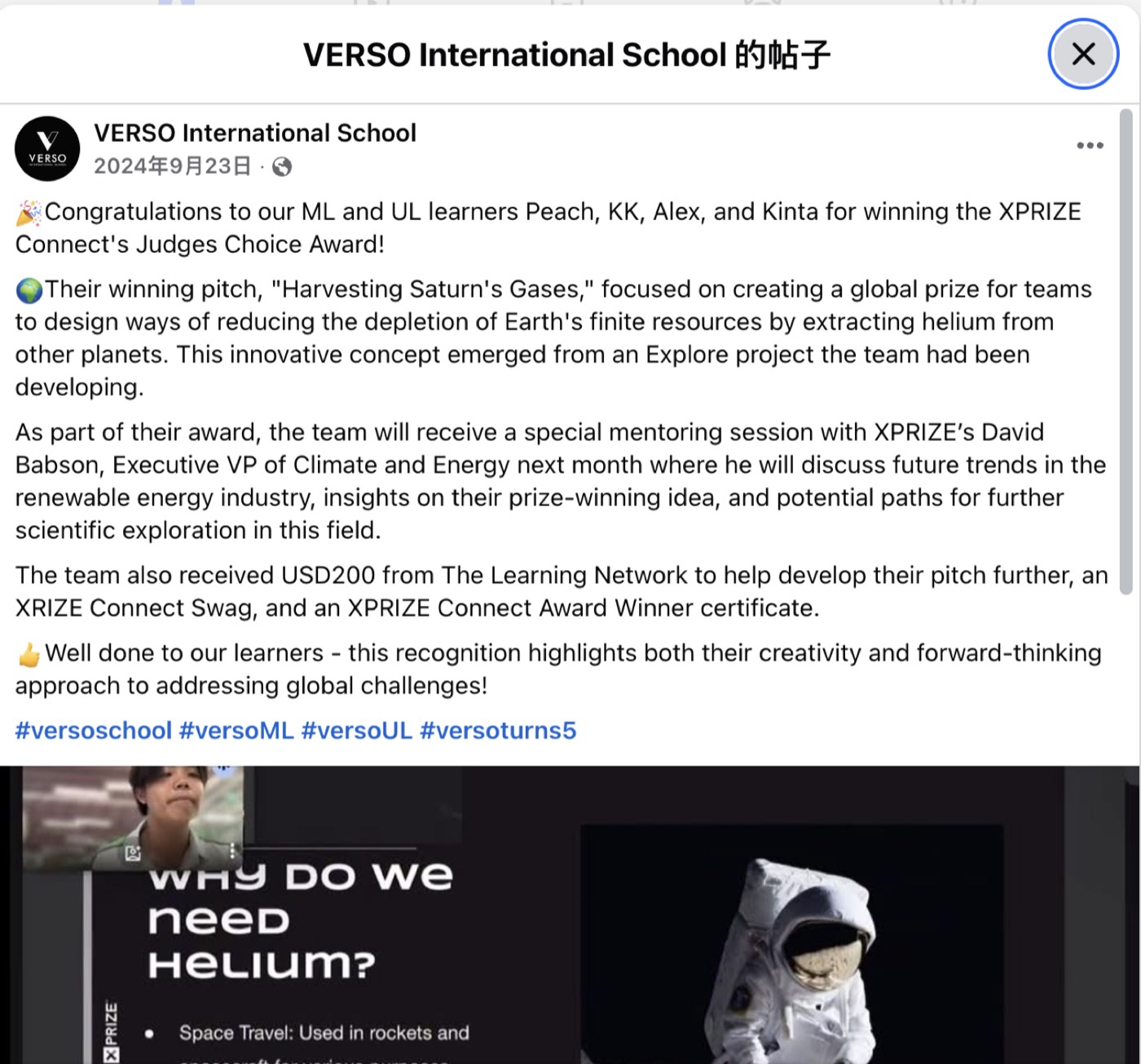
I was instrumental in the early years of building the VEX Robotics competition circuit in Thailand — helping establish judge/referee training, scoring systems and event infrastructure, and contributing to VEX Nationals 2021/22. I've coached teams to regional finals and XPRIZE-winning outcomes, and serve as a certified Coach, Judge, Head Referee and Event Partner.

Documentary, podcast and project films from the classroom.
TCDF Partnership — Thai Child Development Foundation documentary.
Student Podcast: Voices of Change — students researched, scripted, recorded and edited their own podcast.
Short films from inside the projects — design days, builds and student demos.
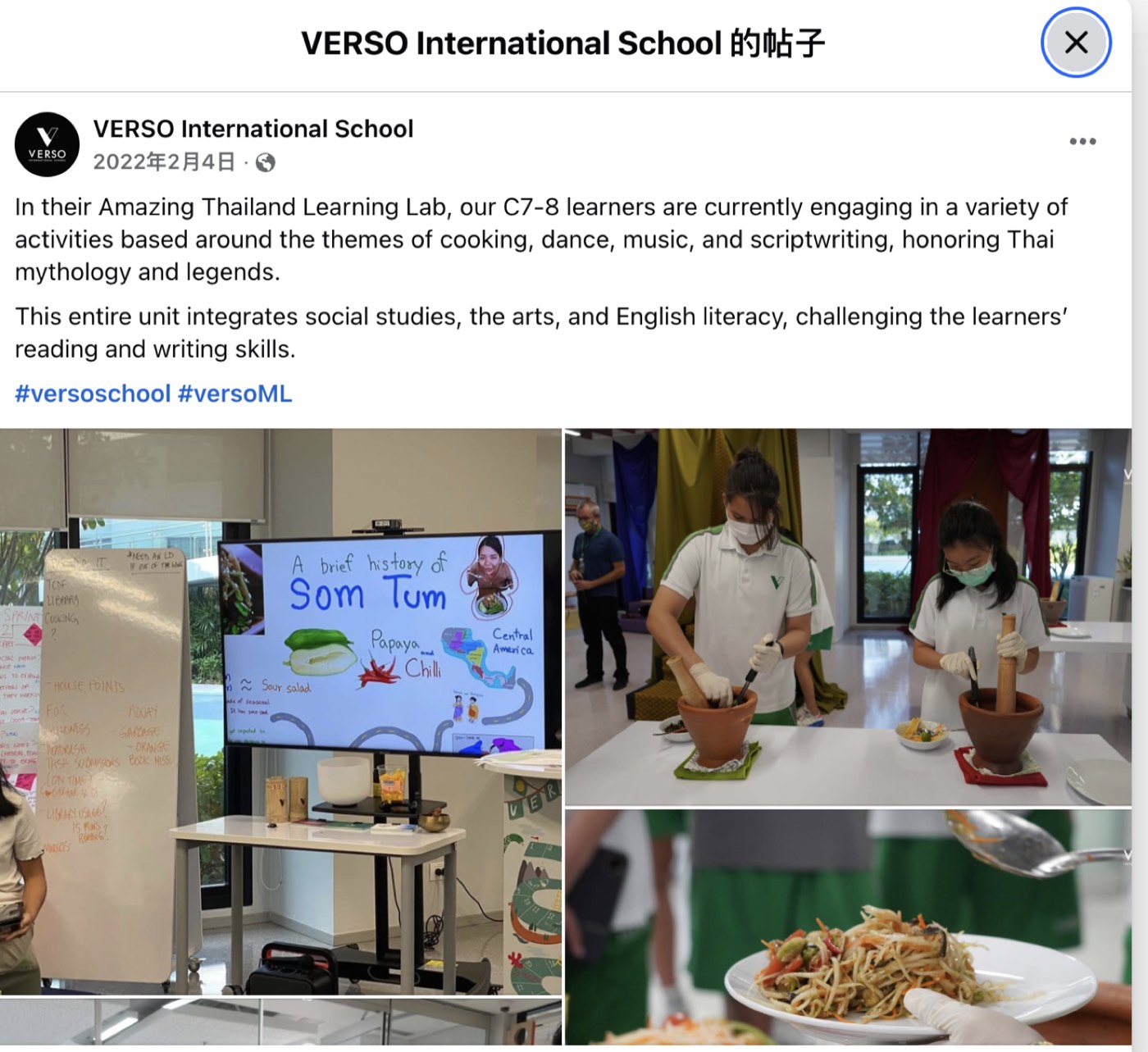
Project-based STEM, robotics and design — from my Learning Labs.


Teaching & learning design.
Qualified Teacher Status (QTS) — Two Mile Ash (2019)
BSc (Hons) 2:1 Environmental Science — Kingston University
AS Physics · Agile Classrooms (L1) · VEX Robotics (certified official) · Workshop H&S certified (tools / machinery for D&T) · TEFL (150 hrs) · Flint AI
ASE workshop presenter — "Robotics & AI to teach science" (Association for Science Education)
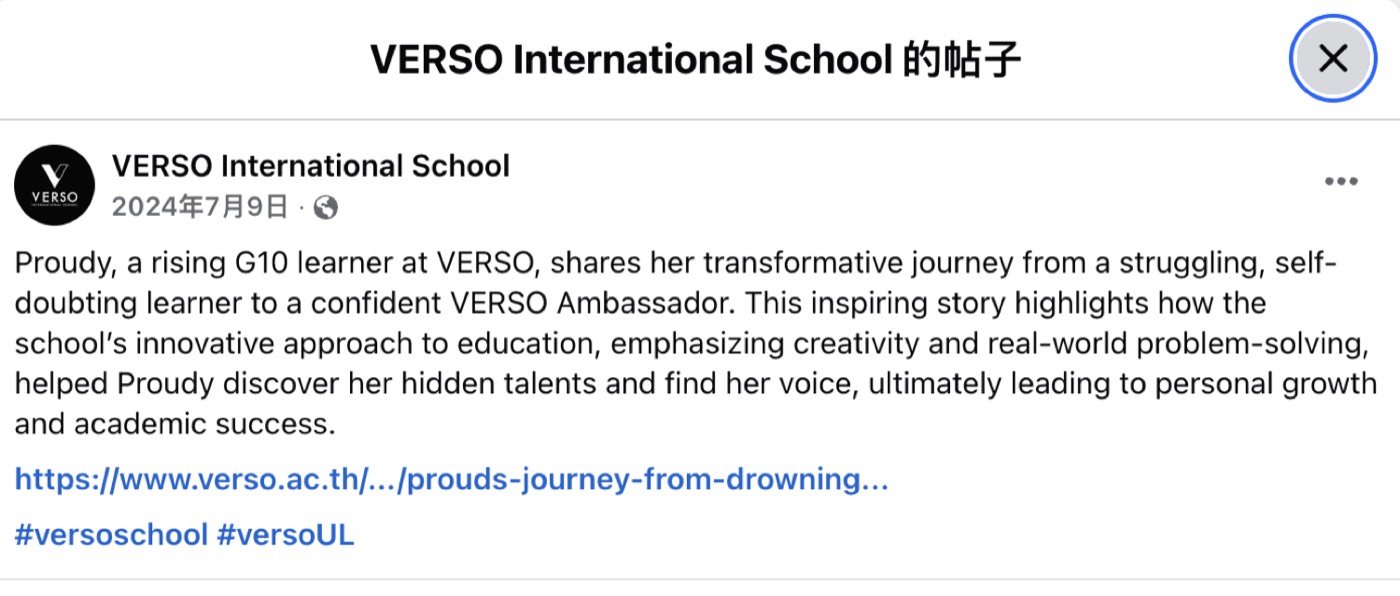
Notes from students — kept here as a reminder of why the work matters.
Open to Science / STEM teaching, Head of Science, and Learning Designer roles — Bangkok & Thailand, August 2026.